In this article, you will discover why antivirus software alone is not enough to protect a business today. You will learn how employee awareness, strong company processes, and modern defense strategies work together to create real cybersecurity. Sometimes, it only takes one single click to make an entire company stop working. It does not matter if you have a small agency or a large international corporation; cyberattacks have become one of the biggest risks for businesses in our time. Ransomware can lock your important data, phishing campaigns can target your staff, and social engineering tricks can even get past the most advanced firewalls. The financial damage from these attacks can quickly reach millions of euros, and the loss of trust from your clients can be even worse.
Because of these dangers, many companies spend a lot of money on antivirus software and other technical systems. While these tools are very important, they are only the first line of defense. Cybercriminals are very smart and they know that the weakest point in a company is rarely the software. Instead, the weakest point is usually the human being. The reality is that more than 80% of all security problems happen because of human error.
This could be a single careless click on an email attachment, using the same password for both private and business accounts, or having a secret conversation in a place where others can listen. Any of these small mistakes can be enough to open the door for attackers.
This is why, today more than ever, IT security is not just a technical challenge. It is, above all, a human challenge. Technology can help, but it cannot solve everything on its own. To truly protect a business, we must focus on the people who use the systems every day. In this new environment, knowledge has become the most important key to staying safe and keeping your business running successfully.
1. Virus Protection Is Only the Foundation – Not the Full Solution
Installing antivirus software is usually the very first step that companies take to protect their IT systems. These tools are definitely important because they can find known malware, block suspicious files, and stop dangerous code from spreading through the network. Without this kind of protection, businesses would be at risk even from very simple attacks. However, there is a big problem: cyber threats are changing much faster than traditional antivirus programs. Today, attackers do not just use simple viruses that software can easily recognize. Instead, they use very advanced methods that are designed to go around or even turn off standard security tools.
There are several examples that show why antivirus software is not enough on its own. One example is what experts call “zero-day exploits.” This happens when cybercriminals find a weakness in a program that the developers do not know about yet. Because the problem has not been documented, antivirus programs cannot defend against it. Another dangerous method is a “fileless attack.” In this situation, attackers do not download a bad file. Instead, they use normal tools that are already on the computer, like PowerShell, to do something harmful. These attacks are very hard to find because traditional scanners are only looking for dangerous files.
Furthermore, phishing and social engineering are major problems that antivirus software cannot solve. A clever phishing email often does not contain any malware at all. Instead, it tries to trick employees into typing their passwords on a fake website or clicking a bad link. Because no “malicious” program is running, the antivirus software will not see any danger. We also have to think about ransomware campaigns. If an employee clicks on something bad, ransomware can spread through the whole network in just a few minutes. Even if the antivirus software finally notices the problem, it might be too late because the data is already locked and the business cannot work.
In other words, having antivirus software is like having a lock on the office door. It is necessary, but it is not enough if criminals are climbing through the windows or tricking employees into giving them the keys. This is why it is absolutely critical for businesses to use additional security measures to stay fully protected.
2. People Are the Most Common Entry Point
When we look at cyber incidents in different industries, we can see a clear pattern. Most attacks are successful not because the software is weak, but because of human error. According to many studies, more than four out of five security problems happen because of something an employee did. Often, these mistakes are not on purpose, but they are still very expensive and dangerous for the company. There are several common situations in everyday business life that show how this happens.
One common example is phishing emails that look very real. For instance, an employee might receive an email that looks like an invoice from a supplier they trust. If the employee opens the attachment, it could contain malware that infects the entire computer system. Another danger is fake login pages, which are used to steal passwords. An employee might get a message telling them to log in to a company platform to reset their password. The page looks exactly like the real one, but it is actually controlled by criminals. Once the employee enters their details, the attackers have direct access to the company’s systems.
Weak or reused passwords also create a big risk. Many employees use the same password for different accounts to make it easier to remember. However, if a password is stolen from a private website, criminals can use it to get into the company’s corporate accounts. Furthermore, there is a threat called social engineering or “CEO fraud.” In this case, attackers pretend to be high-level managers and pressure employees to send money or share secret information. These scams are very dangerous because they do not attack the computer code. Instead, they trick people by using trust and authority, which means technical defenses often cannot stop them.
The lesson from these examples is very clear: the human factor is often the weakest part of the security chain. Even the most advanced antivirus programs or firewalls cannot stop an employee from clicking a dangerous link, sharing private data, or ignoring warning signs. For businesses, this means that IT security must be about more than just technology. It is essential to give employees the right knowledge, awareness, and confidence. When people are well-prepared, they can recognize threats before they cause any real damage to the company.
3. Knowledge Is the Strongest Defense
Even though technical security tools are very important for protecting modern businesses, technology alone is never enough. Things like firewalls, antivirus programs, email filters, and monitoring systems all help a lot. However, in many situations, what really makes a difference is how aware people are. Often, an attack is stopped, or a serious security problem happens, because an employee either sees the danger in time or doesn’t.
This is why knowledge has become one of the strongest ways to defend against cyber threats. Employees are not just people who use company computers anymore. Today, they are a very important part of the company’s security. Every choice an employee makes – like opening an email attachment, clicking on a link, sharing information, or saying yes to a login request – can either make the company’s security stronger or weaker.
When employees are taught well and supported, they become one of the best ways to fight cybercrime. A clear example of this is how they can spot phishing emails. Even the best email security systems cannot stop every bad message. Cybercriminals are always changing their methods to get past filters and pretend to be trusted senders. An employee who has been trained well can notice strange words, suspicious email addresses, unexpected files, or wrong website links. This employee can stop an attack before it even reaches the company’s technical systems.
Often, just being aware can prevent big problems. Cybersecurity knowledge is not only about emails. Employees also need to understand how to be safe online and offline. For example, downloading files from unknown places, connecting USB devices that are not allowed, using public Wi-Fi that is not secure, or talking about secret company information in public places can all create serious risks for a business. Many cyber problems happen not because security systems fail, but because everyday habits accidentally create weaknesses.
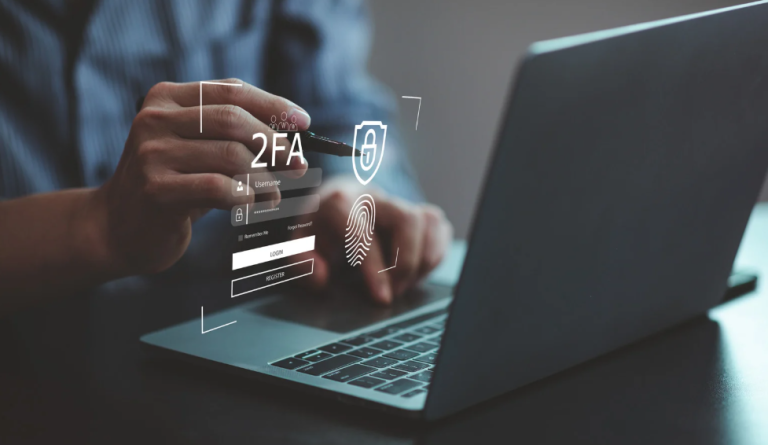
Strong ways to log in are another key area where employees’ knowledge makes a big difference. Weak passwords are still one of the easiest ways for attackers to get into company systems. Employees who understand why unique passwords, password managers, and multi-factor authentication (MFA) are important can greatly reduce the chance of their accounts being hacked. Even if someone steals login details, MFA can often stop attackers from getting access.
Another important thing is reporting problems. Employees should never be scared or feel bad about reporting something suspicious. In many companies, staff don’t report things because they are afraid of being blamed or think it’s.
In this article, you’ll learn the exact factors that transform an average password into a fortress: from length and complexity to unpredictability, uniqueness, and extra shields like multi-factor authentication. By the end, you’ll know how to build passwords that keep hackers locked out — no matter how advanced their tools become.
4. The Right Mix for Businesses
Cybersecurity is never about just one tool or a single action. Instead, it is about combining technology, processes, and people into one strong defense plan. Companies that only focus on one of these areas often have dangerous gaps in their security. The most successful organizations are those that invest in all three parts to stay safe.
The first part of a good defense is technical measures. These are the digital tools that protect the company. For example, antivirus software is still very important for blocking known threats and dangerous files. Firewalls and systems that detect intruders are also necessary because they monitor internet traffic and stop unauthorized people from entering the network. Additionally, businesses must have good backups and a plan for disaster recovery. This ensures that they can get their data back quickly if there is a system failure or a ransomware attack. Finally, tools like encryption and VPNs help protect data while it is being sent over the internet, which is especially important for people who work from home.
The second part is organizational measures. This means having clear rules and processes within the company. One important rule is “least privilege,” which means that employees should only have access to the data they really need for their job. Companies also need clear security policies that everyone understands. These rules should cover everything from how to create passwords to how to use company devices. It is also vital to have a plan for what to do if a security problem happens. When everyone knows their role during a crisis, the company can recover much faster and with less panic. Furthermore, businesses should check the security of their partners and suppliers, as they can sometimes be a weak point in the system.
The third part is knowledge and awareness. Because cyber threats are always changing, employees must receive regular training to stay informed. Phishing simulations and practice drills are very helpful because they allow staff to practice what to do in a safe environment. This builds confidence and helps them make fewer mistakes when a real threat appears. It is also important to create a culture where everyone feels responsible for security. Safety should not be seen as only the job of the IT department, but as something that everyone cares about.
The reason why this mix is so important is that the different parts work together. For example, imagine a company that only uses antivirus software. If a phishing email gets past the software and an employee clicks on it, ransomware could spread through the whole system. On the other hand, if a company has well-trained staff but no backup system, it could still take weeks to recover from an attack. True safety comes from the balance of all three areas. For businesses, the goal is not to stop every single attack, because that is impossible. Instead, the goal is to reduce risks, limit the damage, and recover as fast as possible. With the right mix of technology, rules, and training, companies can turn cybersecurity into a process that they can control and manage easily.
Conclusion: why antivirus software alone is not enough for businesses
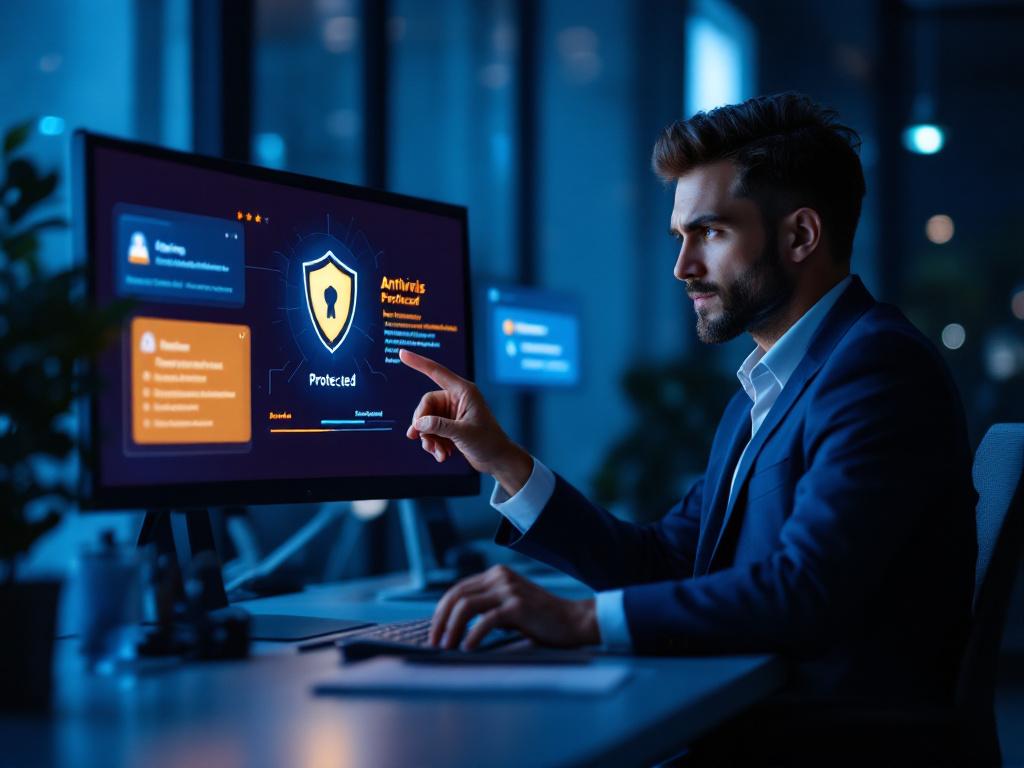
Antivirus software remains an important part of every company’s cybersecurity strategy. It helps detect known malware, blocks many common threats, and provides a necessary first layer of protection. But in today’s digital world, relying on antivirus software alone creates a dangerous false sense of security.
Modern cyberattacks are no longer limited to traditional viruses. Attackers use phishing emails, stolen credentials, social engineering, ransomware, cloud account compromises, and human manipulation to bypass technical defenses. In many cases, businesses are not breached because security software failed completely — but because attackers found a way around it through human behavior, weak processes, or unprotected access points. This is why cybersecurity must be viewed as a combination of technology, awareness, and organizational responsibility.
Strong protection comes from multiple layers working together: secure systems, regular updates, strong authentication, employee training, clear security policies, reliable backups, and a company culture that takes cybersecurity seriously at every level. Businesses that focus only on technical tools often overlook one of the most important realities in cybersecurity: employees are not just potential risks — they are also one of the strongest lines of defense when properly informed and supported.
An employee who recognizes a phishing email, questions an unusual request, reports suspicious activity quickly, or follows secure password practices can prevent a serious incident before technical systems even need to react. That is why cybersecurity awareness is no longer optional for businesses. It is an essential part of long-term security and operational stability.
Cybersecurity is not simply an IT problem hidden in the server room. It affects the entire company — from management decisions to daily employee behavior. Every person inside a company plays a role in protecting systems, data, customers, and business operations.
In the end, the strongest firewall is not only built with software and hardware. It is built through knowledge, awareness, responsibility, and employees who understand how modern cyber threats work. Because technology alone can block many attacks.
But informed people can stop the attacks that technology never sees coming.
This audit is designed for organisations that need a fast, reliable, and actionable overview of their current security posture — without the complexity of a full-scale penetration test. The focus is on real-world business risks: the weaknesses that attackers would actually exploit first, long before advanced hacking tools come in the game.
I also recommend that you read the following articles
As a cybersecurity consultant, I help small and mid-sized businesses protect what matters most. CybersecureGuard is your shield against real-world cyber risks—built on practical, executive-focused security guidance. If you believe your company is insignificant to be attacked, this blog is for you.