
Cyber threats are a growing risk for businesses of all sizes. Many small businesses believe that hackers only target large companies, but this is not true. Cybercriminals often target small businesses because they usually have fewer security measures in place. A successful cyberattack can cause financial losses, business disruption, and damage to customer trust. In some cases, it can even threaten the future of the business. That is why cybersecurity is no longer optional. It is an important part of running a business today.
One of the simplest and most effective ways to improve security is Multi-Factor Authentication. MFA adds an extra layer of protection to your accounts by requiring more than just a password to log in. Even if a password is stolen, MFA makes it much harder for attackers to gain access. In this article, you will learn what MFA is, why it is important for small businesses, and how it helps protect against common cyber threats. We will also look at the well-known “99%” statistic, share best practices for implementing MFA, and highlight common mistakes that businesses should avoid.
What is Multi-Factor Authentication?
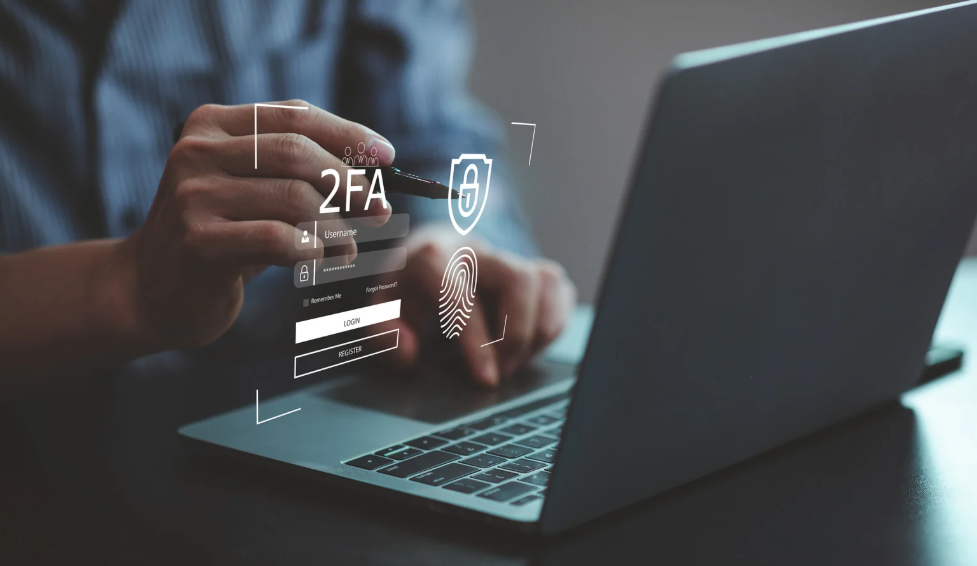
Multi-Factor Authentication (MFA) is a security measure that requires users to verify their identity using two or more authentication factors before they can access an account, application, or system. Unlike traditional login methods that rely solely on a password, MFA adds additional layers of protection, making it significantly more difficult for cybercriminals to gain unauthorized access.
Authentication factors are generally based on three different types of evidence. The first is something you know, such as a password, PIN, or answer to a security question. The second is something you have, such as a smartphone with an authenticator app, a hardware security token, or a smart card. The third is something you are, which refers to biometric identifiers such as a fingerprint, facial recognition, or voice recognition.
By combining at least two of these factors, MFA provides a much higher level of security than passwords alone. Even if a cybercriminal manages to steal or guess a user’s password, they would still need access to the second authentication factor to successfully log in. This additional layer of verification helps protect accounts from common cyber threats, including phishing attacks, credential theft, and data breaches. As a result, Multi-Factor Authentication has become one of the most effective and widely recommended security measures for both individuals and businesses.
Why MFA is Crucial for Small Businesses
Small businesses are increasingly becoming targets for cybercriminals because they often have fewer cybersecurity resources and smaller security budgets than larger organizations. Attackers know that many small companies rely on basic security measures, making them attractive targets for phishing attacks, credential theft, ransomware, and account compromise. Unfortunately, the impact of a successful cyberattack can be severe. Financial losses, business disruption, data breaches, and damage to customer trust can have long-lasting consequences that are difficult for a small business to recover from.
Multi-Factor Authentication is one of the most effective ways to reduce these risks. By requiring an additional verification step beyond a password, MFA provides a strong layer of protection against unauthorized access. Even if a password is stolen through a phishing email, a data breach, or password reuse on another website, attackers are unlikely to gain access without the second authentication factor.
MFA also helps protect business-critical accounts, including email systems, cloud applications, financial platforms, and customer databases. Securing these accounts is essential because a single compromised account can provide cybercriminals with access to sensitive business information and valuable customer data.
In addition to improving security, MFA can help businesses meet industry regulations and data protection requirements. Many security frameworks, standards, and compliance programs either recommend or require multi-factor authentication to protect sensitive information. Implementing MFA demonstrates a commitment to cybersecurity and helps organizations strengthen their overall security posture.
Perhaps most importantly, MFA is a highly cost-effective security measure. Most MFA solutions are easy to deploy and require minimal investment compared to the potentially devastating costs of a cyberattack or data breach. For small businesses looking to improve their cybersecurity without significant expense, MFA offers one of the highest levels of protection for the effort involved.
The “99%” Statistic: Understanding the Impact of MFA
You may have heard the claim that Multi-Factor Authentication can prevent 99% of cyberattacks. While the exact percentage varies depending on the source and the type of attack being measured, the underlying message is clear: MFA is one of the most effective security controls available today.
The statistic is often linked to research showing that MFA can stop the vast majority of automated account compromise attempts. Many cyberattacks rely on stolen, weak, or reused passwords to gain access to business accounts. When MFA is enabled, a password alone is no longer enough. Even if an attacker successfully obtains login credentials, they still need access to the second authentication factor, which significantly reduces the likelihood of a successful attack.
It is important to note that MFA is not a complete solution to every cybersecurity threat. Highly sophisticated phishing attacks and advanced social engineering techniques may still be able to bypass certain MFA methods if users are tricked into approving fraudulent login requests. For this reason, MFA should be combined with security awareness training, strong password policies, regular software updates, and other cybersecurity best practices.
Nevertheless, the value of MFA cannot be overstated. For small businesses, where password-related attacks remain one of the most common security risks, MFA provides a powerful and cost-effective layer of protection. By adding a simple extra step during the login process, organizations can dramatically reduce the risk of unauthorized access and strengthen their overall security posture.
Best Practices for Implementing MFA in Small Businesses
Implementing Multi-Factor Authentication is an important step toward improving cybersecurity, but simply enabling the feature is not enough. To achieve the greatest security benefits, small businesses should take a structured approach and ensure that MFA is implemented consistently across the organization.
The first step is to identify the accounts and systems that are most critical to the business. Email accounts, cloud services, financial platforms, customer databases, remote access solutions, and administrative accounts should be prioritized, as they often contain sensitive information or provide access to essential business functions.
Choosing the right authentication method is equally important. While SMS-based verification offers better protection than relying on passwords alone, it is generally considered less secure because it can be vulnerable to SIM-swapping and other attacks. Authenticator applications, which generate time-based one-time passwords, provide a stronger level of security and are widely recommended for most businesses. Hardware security keys offer even greater protection by providing phishing-resistant authentication, making them an excellent choice for highly sensitive accounts. Biometric authentication methods, such as fingerprint or facial recognition, can also provide a secure and convenient user experience when supported by the device.
To maximize protection, MFA should be implemented wherever possible rather than only on a few key accounts. Many organizations focus on protecting email systems while overlooking other important services such as cloud applications, virtual private networks (VPNs), remote desktop access, or internal business systems. Comprehensive coverage helps eliminate security gaps that attackers may exploit.
Employee awareness is another essential part of a successful MFA strategy. Staff should understand why MFA is important, how to use it correctly, and how to recognize phishing attempts that may try to steal authentication codes or trick users into approving fraudulent login requests. Regular cybersecurity training can help employees remain vigilant and reduce the risk of human error.
Businesses should also establish clear policies that define how MFA is used throughout the organization. These policies should cover new employee onboarding, procedures for replacing lost or stolen devices, account recovery processes, and regular security reviews. Well-defined policies help ensure consistency and accountability across the business.
Finally, MFA should not be viewed as a one-time project. Cyber threats continue to evolve, and security measures must evolve with them. Small businesses should regularly review their MFA implementation, keep authentication software up to date, and consider adopting stronger authentication technologies as they become available. By treating MFA as part of an ongoing cybersecurity strategy, organizations can maintain a higher level of protection against emerging threats.
Common MFA Implementation Mistakes to Avoid
While Multi-Factor Authentication is one of the most effective ways to protect business accounts, its success depends on proper implementation. Many small businesses enable MFA but overlook important details that can reduce its effectiveness and leave security gaps for attackers to exploit.
One of the most common mistakes is only implementing MFA on a limited number of accounts. Protecting email accounts is important, but attackers often target less obvious systems that may not have the same level of security. To achieve the best protection, MFA should be enabled across all critical business systems, including cloud services, remote access solutions, administrative accounts, and applications that store sensitive data.
Another frequent issue is relying exclusively on SMS-based authentication. Although text message verification is better than using passwords alone, it is generally considered less secure than other authentication methods. Criminals can sometimes intercept text messages or carry out SIM-swapping attacks to gain access to authentication codes. Whenever possible, businesses should use authenticator apps, hardware security keys, or biometric authentication methods that provide stronger protection.
Employee training is equally important. Even the most secure MFA solution cannot fully protect an organization if employees do not understand how it works or how attackers attempt to bypass it. Cybercriminals often use phishing and social engineering techniques to trick users into revealing authentication codes or approving fraudulent login requests. Regular cybersecurity awareness training helps employees recognize these threats and respond appropriately.
Businesses should also plan for situations in which employees lose their phones, replace devices, or are unable to access their authentication methods. Without a secure account recovery process, staff may be locked out of critical systems, causing unnecessary delays and operational disruption. Clear procedures for account recovery should be established and documented before problems occur.
Another area that is often overlooked is third-party access. Vendors, contractors, consultants, and external partners who have access to business systems should also be required to use MFA. A compromised third-party account can provide attackers with an entry point into the organization’s network, even if internal security controls are strong.
Finally, businesses should avoid adopting a “set it and forget it” approach to MFA. Cybersecurity is not a one-time project but an ongoing process. MFA settings, user access permissions, and authentication methods should be reviewed regularly to ensure they remain effective against evolving threats. By continuously monitoring and improving their security measures, small businesses can maintain stronger protection and reduce the risk of unauthorized access.
Conclusion – how MFA protects small businesses from cyberattacks
Cyberattacks continue to target businesses of all sizes, and small businesses are no exception. As cybercriminals increasingly rely on stolen credentials, phishing campaigns, and account takeover attempts, protecting business accounts has become more important than ever. Multi-Factor Authentication (MFA) provides a simple yet highly effective way to strengthen security by adding an additional layer of verification beyond passwords.
While no security measure can eliminate every risk, MFA significantly reduces the likelihood of unauthorized access and helps protect sensitive business data, financial information, and critical systems. When combined with employee awareness training, strong password practices, and regular security reviews, MFA becomes a powerful part of a comprehensive cybersecurity strategy.
For small businesses looking to improve their security without major costs or complexity, enabling MFA is one of the smartest steps they can take. The investment is minimal, the implementation is straightforward, and the security benefits can be substantial. In today’s threat landscape, Multi-Factor Authentication is no longer an optional feature—it is an essential safeguard for protecting your business, your employees, and your customers.
Protect Your Business Before Cybercriminals Strike
Most cyberattacks succeed because businesses are unaware of the risks until it is too late. My mission is to help small businesses understand cyber threats in plain English and implement practical security measures that make a real difference.
On LinkedIn, I share cybersecurity insights, emerging threats, actionable security tips, and proven best practices that help business owners protect their companies, employees, and customers.
Follow me on LinkedIn and join a growing community of business leaders who take cybersecurity seriously and want practical solutions—not technical jargon.
I also recommend reading the following articles
10 Critical Questions to Evaluate Cybersecurity Risks in Small Businesses
Building Secure Password Management That Scales With Your Company
Cybersecurity 2026: The Biggest Risks for Businesses – and How to Protect Your Company
How often should companies change passwords? Current security recommendations for 2026